
| Tuesday Morning, 22 June, 2027 |
|
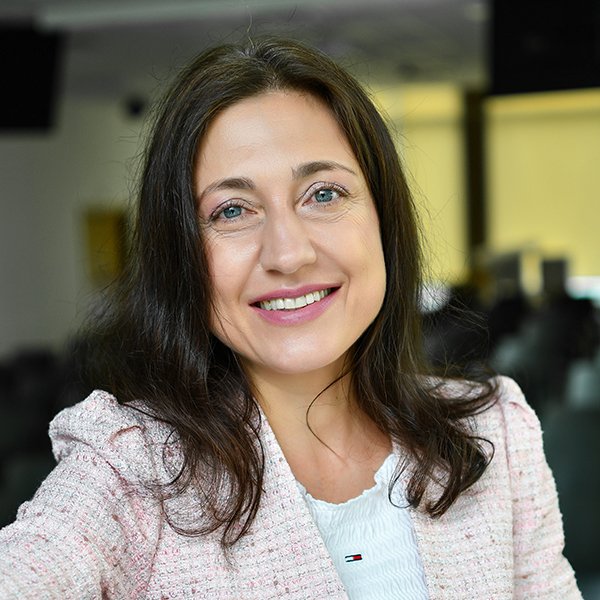
Prof. Desislava Petrova-Antonova |
 |
|
Bio: Dessislava Petrova-Antonova is a full professor at the Faculty of Mathematics and Informatics and the Research Lead of the Data Management Research Unit of GATE Institute, Sofia University “St. Kliment Ohridski”, Bulgaria. She coordinates GATE research and innovation in the Future Cities application area, leading the implementation of Sofia's first Urban Digital Twin. Her primary research interests include data modelling, data interoperability and semantic enrichment, urban digital twins and their applications for data-driven decision support in smart communities and cities. She co-initiated the first Urban Data Space in Bulgaria, dedicated to establishing and supporting a data-sharing community for cities of the future and to facilitating cooperation between governmental institutions, private businesses, start-ups, NGOs, and citizens. |
|
Title: Urban Digital Twins and Data Spaces: Enabling Technologies for Sustainable Cities |
| Abstract: Urban Digital Twins (UDTs) and Data Spaces have emerged as game-changing paradigms, facilitating the planning and development of sustainable cities. The presentation will take the audience on a journey into the future of cities, where UDTs are central to creating smarter, more resilient, and environmentally conscious urban solutions. It will showcase the synergy between UDTs and Data Spaces through real case studies for Sofia, Bulgaria and will highlight their transformative potential to address pressing urban challenges and enable new business products and services. From reducing air pollution and fostering eco-friendly environments to mitigating the impacts of climate change and designing efficient, accessible, and sustainable mobility systems, the presentation will highlight how cities and communities can be reshaped for a better tomorrow. |
| Wednesday Morning, 23 June, 2027 |
| Keynote (To be decided) |
| Wednesday afternoon, 23 June, 2027 |
|
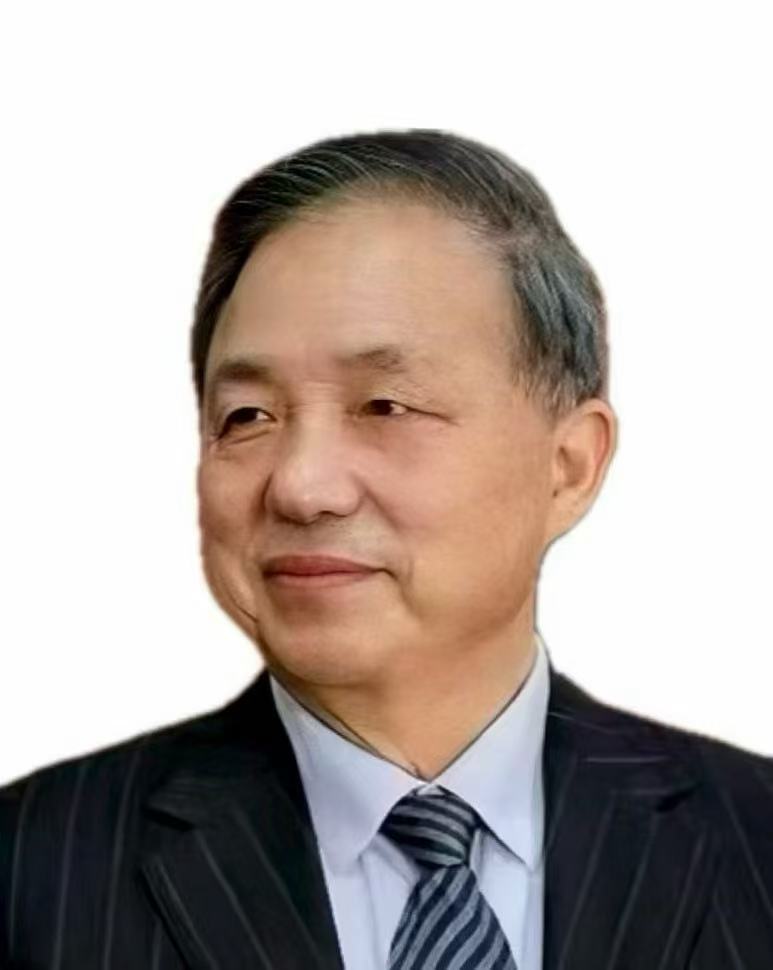
Prof. Huadong Guo |
 |
|
Title: Harnessing digital intelligent technologies to advance sustainable development |
| Abstract: With only four years remaining for the implementation of the United Nations 2030 Sustainable Development Agenda, post-2030 sustainable development frameworks have attracted extensive global discussion. This report elaborates on the role of big Earth data and satellite remote sensing technologies in the monitoring and assessment of Sustainable Development Goals (SDGs), and discusses the great potential of digital and intelligent technologies for advanced SDG analysis. On this basis, the scientific objectives and implementation roadmap of the International Big Science Programme for Digital Sustainable Development Goals are systematically introduced. This study anticipates that innovative digital intelligent technologies will continue to make essential contributions to advancing global sustainable development in the post-2030 era. |
| Thursday morning, 24 June, 2027 |
|
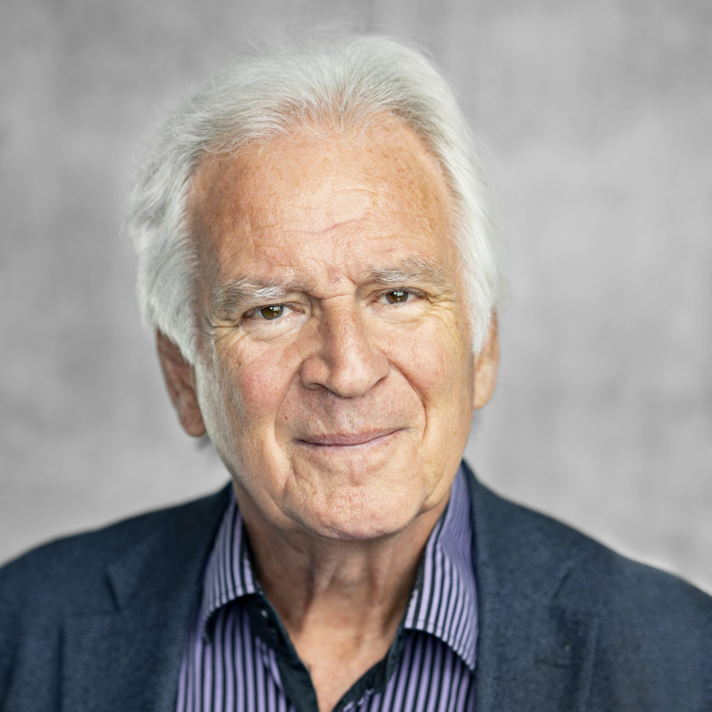
Prof. Peter Gärdenfors |
 |
|
Bio: Peter Gärdenfors is Professor emeritus of Cognitive Science at Lund University. His main research concerns models of concept formation and semantics, cognitive aspects of AI and robotics, and the evolution of human cognition. He is most known for his work on conceptual space which has also found applications in the geosciences. He is a member of the Royal Swedish Academy of Science, member of Academia Europaea, member of Leopoldina Deutsche Akademie für Naturforscher, and member of the Royal Swedish Academy of Engineering Sciences. |
| Title: The geography of language and the language of geography |
Organised and hosted by |
Collaborating Organizations |
|
  |
  |
|
Sponsors |
||
 |
